Should business owners be on camera? Someone real should be, but it does not have to be the owner. As I put it to one prospect: "People want to see faces on camera. They want to see smiling, you know, like people... People want to connect with people."
A painting contractor, asked whether anyone would talk in his project videos, said "I haven't decided yet. What do you recommend?" My answer: "I would recommend that you would 100% get someone on camera who can, you know, talk[;] that builds way more trust than just like the actual process."
The reason is what people do after an ad. As I told him, "if you're running ads through meta, they can go to your profile and see like, oh, these people are legit." A grid of finished projects doesn't do that.
Who should be on camera, by type of video
The job of the video decides who stands in front of the lens. For a brand story, "a lot of times it's like the owner of the company or the manager. And maybe we throw in some employees." Here is the split I use:
| Video type | Who should be on camera | Why |
|---|---|---|
| Brand story | The owner, plus a manager or a long-time employee | They know the story. We interview each one and keep the best answers. |
| Recruiting | Your employees, alongside the owner | As I told a trucking company, a driver explaining why he stays "lands harder with another driver" than the company talking about itself. |
| Paid ads | Whoever has the most energy: the owner, a sales rep, or hired talent | A low-energy read sinks the video. Energy matters more than title. |
| Transformation reels | Nobody talks | The change is the story. Talking gets in the way. |
| Social Q&A and tips | Staff experts | The people who do the work answer the questions best. |
| Project updates | The project manager | The person running the job can explain what is happening on site. |
For a refrigerated trucking company I wrote: "You on camera is right for the brand side. For recruiting, I would also film your drivers. A driver saying why he stays lands harder with another driver than anything the company says about itself." That is the logic behind recruiting videos that feature your crew.
For an HVAC company's skit-style ads I said: "We can't just have, like, a low-energy guy for these kind of videos." New Day Construction's ads are fronted by a sales rep. A fence company used hired talent for its Meta ad shoots. Eterna Surfaces' showroom reel used actors.
For A1 Auto Detailing's color-change reel, my note to the editor was no talking, it just needs to be cinematic. On one of their Q&A reels I pushed back on a cut where we only heard one of the team: "I want to see [him] talking on camera, not just his voice."
If you hate being on camera
That's normal. As I tell owners, "Being on camera organically, like reading, like remembering lines is not easy unless you have practice with it."
For ads: a teleprompter and b-roll. We write the scripts and bring a teleprompter, "and then you just read the teleprompter, but we cut it through a lot of... B-rolls so that it makes it look very natural, very organic." It doesn't fix everything. On the fence company's ad shoot, the talent paraphrased nearly every line. We had shot 3 scripts and 11 hooks that morning, so the edit still had options.
For organic: questions, not scripts. Written lines for staff come out sounding generated. We bring a list of questions and ask one per clip, off camera. As I told A1: "Our crew will come with the questions ready so it's easy on camera."
Repeat the question in your answer. When I interviewed Clint, a real estate agent, for his profile video, the rule was: "I want you to reiterate the question back to me. So if I say, what does home mean to you? You say, home means to me." I forgot to tell him until after his first answer, so we asked it again. It matters because my question gets cut out, so an answer that restates it works on its own as a clip. Retakes stay relaxed: "Question one more time, just a shorter answer."
How much of the owner's time it takes
Less than most owners expect. For a brand story interview, "for like half an hour, we light you guys up." With several people on camera I plan 20 to 30 minutes per interview. Clint's full interview recording ran 15 minutes 37 seconds.
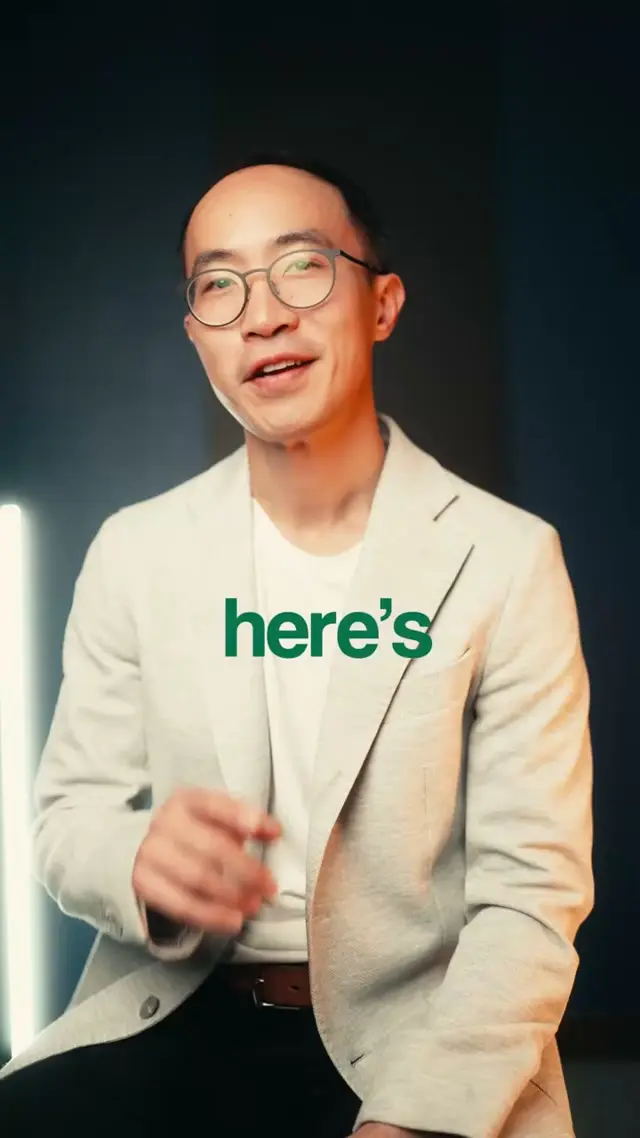
B-roll adds time. For a full brand story video I block about 2 hours per person, covering setup, the interview and shots of them at work. For ads, "you just need to show up and read the teleprompter."
Short-form can be lighter still. Our first shoot at Voltage Espresso was 90 minutes and produced five reels. Only one had the owner talking on camera, about a drink, with b-roll of her making it. The other four were built on trending audio.
The real cost is the posting schedule. At the pace I recommend, a weekly video at the very least and closer to three when you can (the reasoning is in my guide to business posting frequency), an owner who has to appear in every one becomes the bottleneck. Spread camera time across the team. And if nobody internal can own the routine, filming, editing and posting are all part of our monthly reels package.
Shoots where the owner carried the video
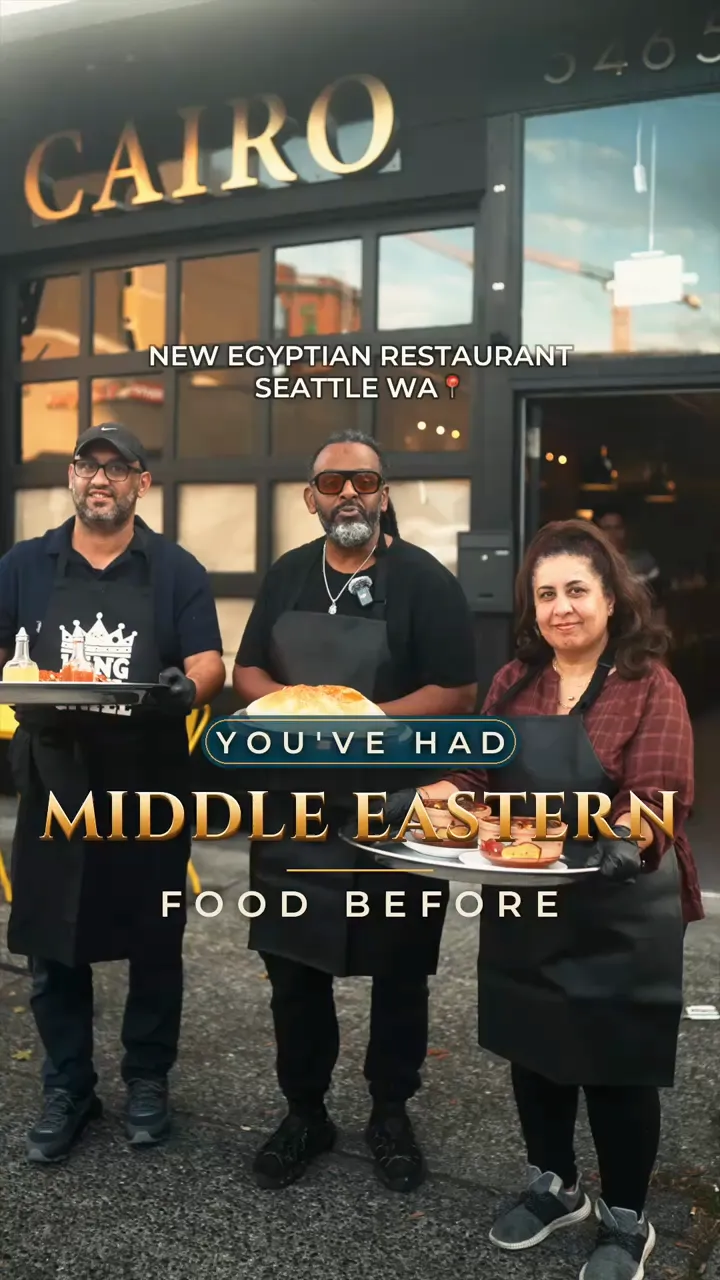
Cairo Restaurant & Lounge, Ballard. For the grand opening reel, the owner walked and talked through the room with his two partners who run the kitchen. The hook came from him, in a text the day of the shoot: "You've had Middle Eastern food. But have you had Egypt?" My direction was "more talking and less text." We filmed from 4 to 6 PM, and the shot list had two endings, the owner alone and all three partners together, so the edit could pick one.
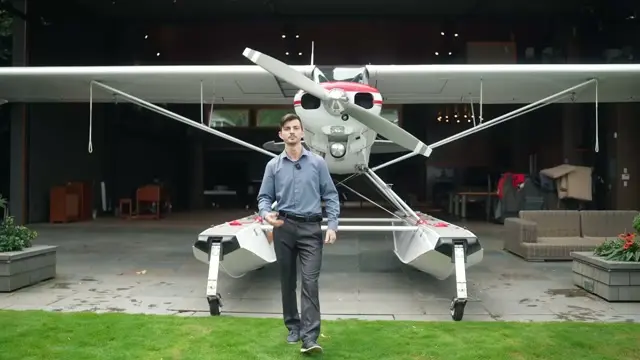
Nazarov Air, Mercer Island. This video was made to highlight and sell a Piper Super Cub. It is a cinematic edit of the plane plus the owner talking on camera about it.
Kevin Lam, real estate agent. Three of Kevin's videos are social media talking heads, including one seated in a lit setup and one on the street in front of a house. For an agent, the person is the product, which is the idea behind agent profile videos.
Owners also come around. A medical apparel brand's founders kept their first shoot to text overlays, with no talking. For the second shoot, they asked to talk on camera.
What I can't prove yet
I don't have clean data that owner-led videos outperform everything else.
What a face does is answer "are these people real?" One outside voice, a restaurant owner on Reddit, put it this way: "There is definitely a better social media and in person response when I am featured in our posts compared to when our posts are strictly about the food" (r/restaurantowners). That is one owner's experience, not a study.
Frequently asked questions
Who should be on camera in my business's videos?
Someone real, picked by what the video is for. The owner or a manager for a brand story, employees alongside the owner for recruiting, the person with the most energy (or hired talent) for ads, and staff experts for tips and Q&A. For transformation reels, nobody needs to talk.
Should someone talk on camera, or should we just show the work?
I recommend getting someone on camera who can talk, because it builds more trust than the process alone. You don't have to choose, though. We can cut one version with a person talking and one with just the project.
Does the owner have to be in every video?
No. At a weekly pace, an owner who must appear in every video becomes the bottleneck, so share camera time with your staff. On our first Voltage Espresso shoot, the owner talked on camera in one of the five reels.
What if I freeze up reading lines on camera?
That is normal, and you never have to memorize anything. For ads we bring a teleprompter and cover the cuts with b-roll. For social content we ask questions off camera and you repeat the question in your answer. Most interviews take 20 to 30 minutes.