How often should a business post on Instagram? One video a week at minimum, three a week if you can, and Monday to Friday once you have a system that keeps it going. The same video also goes to TikTok and YouTube Shorts, so one edit feeds all three.
That means short vertical videos, 15 to 45 seconds, not separate pieces per platform. When an HVAC company asked me where a finished video ends up, the answer was all three apps, posted as a regular organic video. So if you are asking how often you should post reels, it is the same ladder:
- Minimum, 1 a week: about 4 to 5 videos a month.
- Ideal, 3 a week: about 12 to 13 a month.
- If you can, Monday to Friday: about 20 to 22 a month.
The schedule you choose matters less than whether you can film and edit that many videos without using up your team's week. So I start with the shoot and plan backwards from there.
Work backwards from the cadence: what one shoot really produces
These are real shoots from this year. Time on site means filming only; editing comes after.
| Shoot | Time on site | What came out |
|---|---|---|
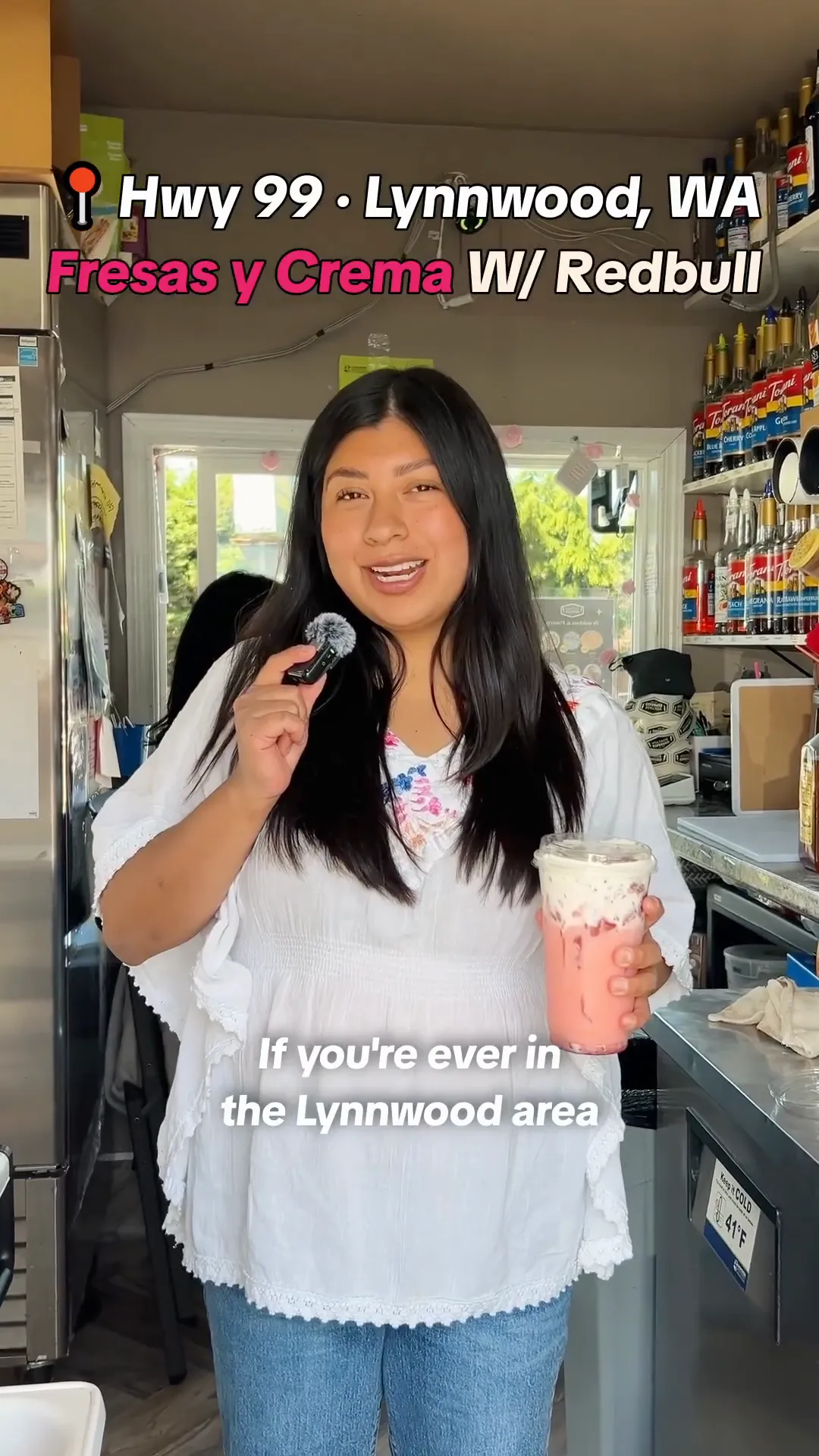
| Voltage Espresso, Lynnwood (first two shoots, May and June 2026) | 1.5 hours each | 5 finished videos from each visit |
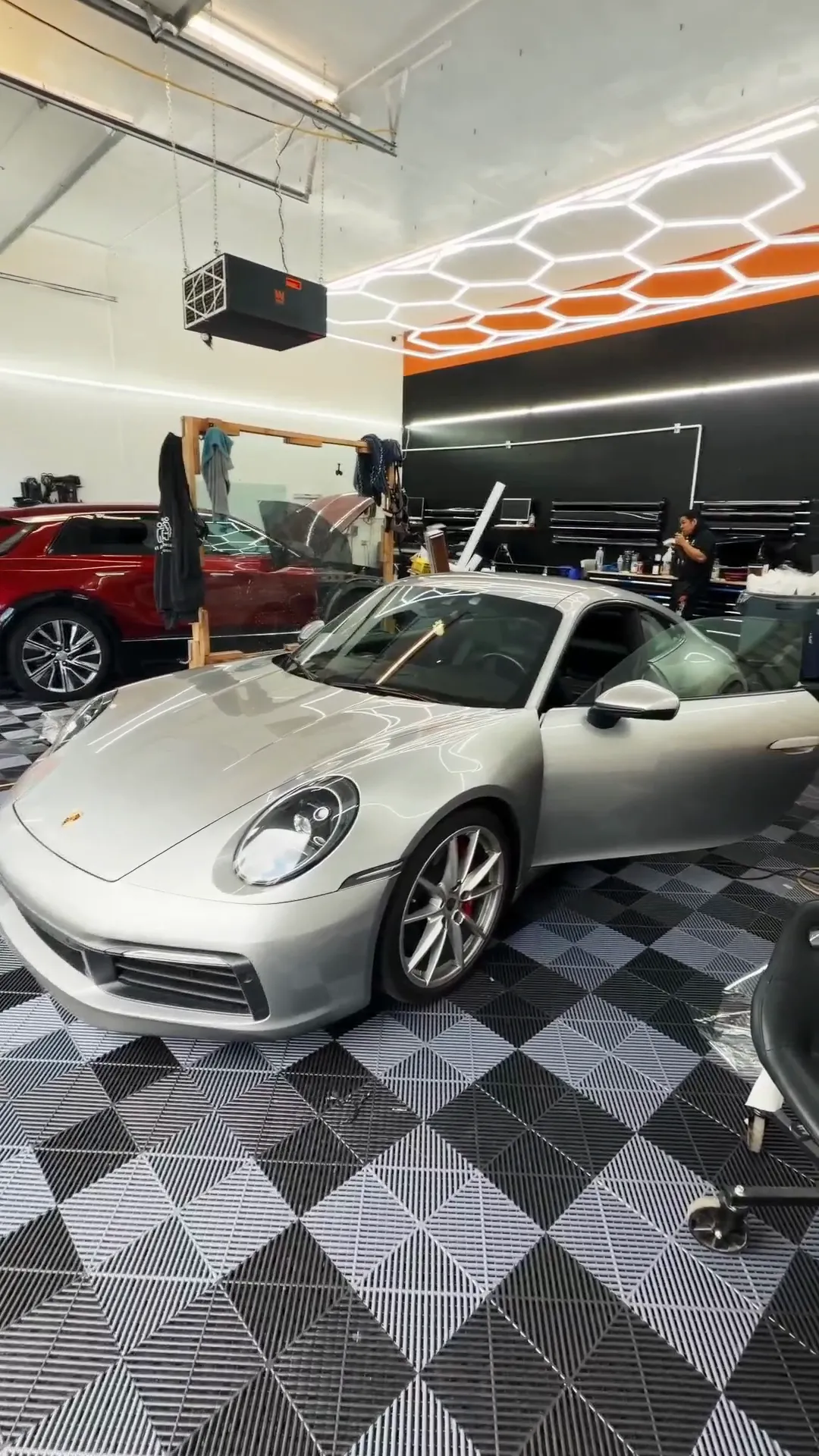
| A1 Auto Detailing, sales video shoot with two presenters | 2 hours | 4 sales video scripts with two presenters, each cut in several versions |
| A fence company, ad shoot | 2 hours 15 minutes | 16 ad versions (3 scripts, 11 hooks) |
| The same fence company, ads and testimonial calls (August) | Booked 2 hours, ran 3 | 23 finished videos (4 ads with 18 hooks, 3 testimonial calls, 1 walkthrough) |
| A medical apparel brand, founder videos | 2 hours | 3 short founder videos |
| Cairo Restaurant & Lounge, grand opening | 2 hours | 1 vertical video plus a photo set |
The pattern: organic reels land around three to six per hour and a half to two hours on site. As I put it on a sales call, "like an hour and a half to two hours, we can get five, six videos done." Ad shoots go further because one script gets several hooks. An event gives you one strong video, not a month. And a longer day does not scale in a straight line: the fence company's August shoot was booked for 2 hours, ran 3, and still left part of the plan unfilmed.
Voltage Espresso is the cleanest example: three visits so far, roughly 90 minutes on site each time, and the first two each produced five finished videos. For the third visit, I handed the editor 43 drink cutaways picked from the first two shoots. That is why we keep every clip: a later month can borrow from an earlier one.
The filming schedule behind 1, 3 and 5 videos a week
Each step of the ladder maps to a shoot schedule.
| Cadence | Videos a month | Filming that covers it |
|---|---|---|
| 1 a week (minimum) | 4 to 5 | One monthly visit, about 1.5 to 2 hours |
| 3 a week (ideal) | 12 to 13 | One longer monthly session, around 4 hours |
| Monday to Friday | 20 to 22 | Shorter visits through the month, timed to when new work is happening |
One a week. Where most businesses should start. "We're shooting for like a one hour, one and a half hour window. Because we can usually get three to four reels in that." Plan a couple more pieces and two hours covers the month.
Three a week. Still one visit, just longer. As I wrote to a trucking company: "We come out once a month and film everything in one longer session, then cut it into content for the whole month. Less cost, less of your team's time, and you still post every week." Their three-a-week plan was a 4 hour shoot for 9 reels plus 3 driver testimonials.
Monday to Friday. One monthly day stops working here, because a single visit rarely holds 20 different things worth filming. For one remodeling client, progress shoots ran two or three times a week in busy stretches, about an hour of filming each. That only works when the work itself changes week to week.
You can see what short monthly visits turn into in the Voltage Espresso and A1 reels in our portfolio. And if you would rather not run the schedule yourself, our monthly reels service takes it off your plate.
What actually limits how many videos you get
These are the limits I run into most:
- Real material on site. A remodeling client wanted around 30 pieces a month, and as I said on a call, "they don't have like a billion projects... we need more content to actually film." That is why the number of videos has to follow the work on site, not the other way around.
- Planning each piece. "The reality is we have to plan each piece of content." Your topics and reference videos speed it up, and not every piece needs the same polish, which I cover in phone-style versus polished video.
- Locations. "If it's different locations, that complicates it quite a bit because it adds much more time."
- Editing. Each reel takes me about one to two hours of editing. Twenty reels a month is about 20 to 40 hours in the edit.
- Over-packed days. On that August fence shoot, one of the four ads was never filmed, two others were each missing a hook, and some of the testimonial calls did not happen. Fewer finished pieces beat more rushed ones.
Timing matters too. Raw footage comes back within 24 hours, edited videos take at least 3 to 5 business days, and every booking includes one free revision round. So a monthly shoot should happen before the month it feeds.
Judge it after three months, not one
Whatever level you pick, give it a quarter. That is what I told the trucking company too: a single month is too small a sample to judge anything, and three months is a fair test.
Not every video lands, and posting often is how you find the ones that do. For NW Expert Heating and Cooling, we filmed a lot of value content and turned the posts that did well on their own into ads, since those had already shown us what people wanted to watch. One month at one a week is four tries. Three months at three a week is closer to forty.
Be honest about what you can hold. Even when we do the filming, your team still has to give each shoot its time. I have no clean data on how many posts it takes before a local account turns a corner, so pick a level you can keep for twelve weeks over a bigger one you drop after four.
Before volume: three pinned trust videos
If you are starting from zero, do this first. Someone who sees your reel or ad taps through to your profile, and what sits at the top decides whether you look real.
On a call with a hay and feed retailer I said: "your top three posts in Instagram, you can pin and you can choose specifically what customers will always see at the very top." What goes in them: "One video can be like about us... one video can be products... And one can be frequently asked questions."
A luxury builder's profile is a good example. "Their content isn't all amazing." But those three videos have been pinned on their Instagram for probably over a year, so anyone landing on the page can tap one and see who they are. Pin yours on Instagram and TikTok both.
Frequently asked questions
How much content should a business post per week?
At least one video a week, ideally three, and Monday to Friday if you can keep it up. Post the same vertical video to Instagram, TikTok and YouTube Shorts, and pick a level you can hold for three months.
How many reels can you get from a 2 to 3 hour shoot?
For organic reels, usually five or six from about two hours of filming. Ads go further because each script gets several hooks: one 2 hour 15 minute ad shoot gave a fence company 16 versions. An event usually gives you one strong video.
Is it better to film a couple of times a month or once?
For one to three videos a week, one longer monthly session usually covers it and takes the least of your team's time. For Monday to Friday, or a business where the work changes every week, shorter visits through the month work better, timed to when new work is happening.
Is there one aspect ratio that works for Instagram, TikTok and YouTube Shorts?
For reels, yes: vertical. We shoot vertical and the same file goes to all three. I tell clients that horizontal versions of a vertical shoot are not realistic in my experience, because every setup would need different framing.