If you're trying to work out how to measure social media success for a local business, the short answer is: count customers, not views. Track calls, form submissions, local comments and DMs, and the people who mention a video in person, then give it three months before you judge.
That's how I judge my own client work. As I put it to one prospect: "One thing I'm very, very big on is results." And what results means: "Are they getting more customers? Are they getting more form submissions? If we're running ads for them, are their ads producing more phone calls." Views aren't on that list.
Count customers first, views second
Instagram Reels analytics and TikTok insights show views, reach, watch time and shares. Those help with one job: making the next video better (here's how we build reels that hold attention). They can't tell you whether anyone picked up the phone.
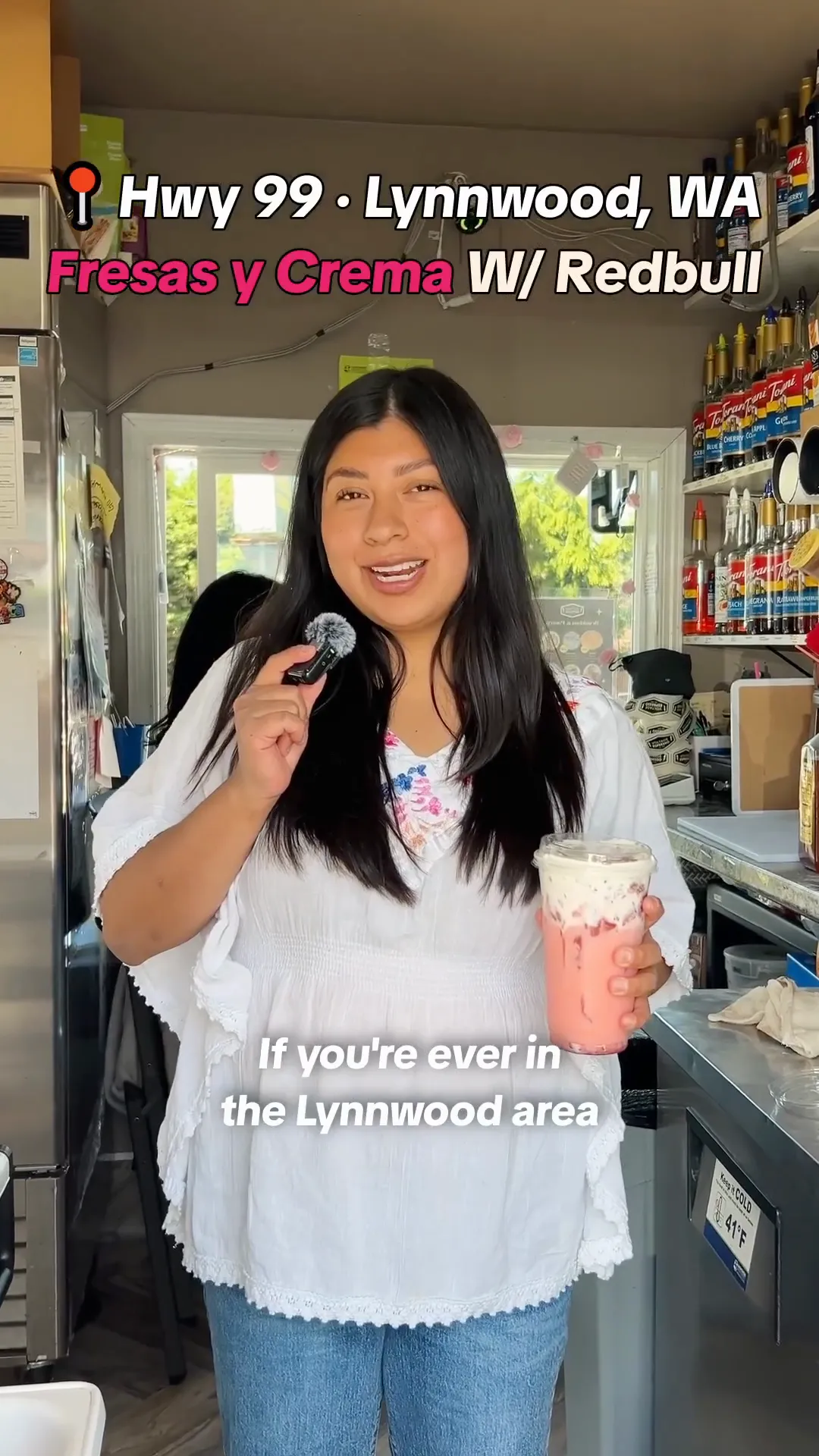
Views aren't all equal either. Voltage Espresso is a coffee stand in Lynnwood, and we called out Lynnwood in their videos (the reasoning is in why most business reels get no views). When I described the results to another prospect, the count wasn't the point: "we did get views. But those views were not just like random people. It was actually a lot of local comments." I told them people were asking things like whether there were vegan options. To be fair to the numbers, the owner also paid to boost those reels for a stretch once they took off, so some of that reach was paid. A nearby person asking about the menu is a potential customer. A view from across the country isn't.
The one question I ask after a reel goes out
A few weeks after one of Voltage's first reels went up, I texted the owner this, word for word:
"Hey [owner], how did that video perform for local traffic? Did you get some new customers?"
It doesn't ask about views. I can look those up. What I can't see is whether more people came to the stand, and only the owner knows that.
Ask yourself the same thing every Friday: who called, came in or messaged this week who hadn't before, and did any of them mention a video? Ask whoever works the counter or phone too, and write it down.
Social media KPIs worth tracking every month
Here are the social media KPIs I'd put in front of an owner, how to track each one cheaply, and why.
| What to track | How to track it cheaply | Why it matters |
|---|---|---|
| Phone calls | Ask every caller how they heard about you and keep a tally sheet by the phone. | A call is the closest thing to a customer you can count. |
| Form submissions | Add a "How did you hear about us?" field and use tagged links (UTM) in your bios. | Shows which requests started on social instead of guessing. |
| People mentioning a video in person | Staff jot down the date and which video, the day it happens. | Easy to forget by the end of the month unless it's written down. |
| Local comments and DMs | Weekly, count the ones that name your area or ask a buying question (hours, menu, an estimate). | Separates local interest from random views. |
| Follows | Note the monthly change in each app's insights. | A follower is someone you can reach again, including with ads. |
| Cost per lead (ads only) | What you spent on an ad in a month divided by the calls, forms and messages it produced. | Tells you which ad, and which version of it, to keep paying for. |
The in-person row is the one I can't put a number on. Nobody counts that one unless it gets written down, which is why it belongs on a sheet by the register. Cost per lead only applies when you pay to run a video as an ad: compare it across your own ads, and don't trust it until you have more than a handful of leads.
A Google review from NW Expert Heating and Cooling, shown on our homepage, credits a video with new followers. Followers count for something, but a follower has not bought anything yet. What a follow does give you is a way to reach that person again. I made that point to a food truck founder planning a launch: once someone follows you, Meta can show your ads to them again.

Why organic social is harder to measure than ads
Paid ads come with a scoreboard: you know what you spent, and the platform counts the leads. As I tell owners, good ads give you "a much harder ROI and it's easier to track." With organic posting, you post for a month and ask: "Did we get any customers? Maybe you are. Maybe you will, right?"
Organic still matters: "it will bring brand new people who've never seen you before." It's just a longer game, and I would rather start small and read the numbers than guess, "because we don't know what we don't know." If you need leads you can count this quarter, Meta ads we script, film and manage are the easier thing to score.
For organic, you close the gap yourself. Three cheap ways:
- Tag your links. Put a UTM-tagged link in your Instagram and TikTok bios so social visits and form fills show up separately in your analytics. I set up the receiving end of this after realizing I couldn't tell whether my last two strategy call bookings came from Google or an AI search. Our strategy call booking form now records the tagged link and the referring site with each request.
- Ask "How did you hear about us?" on every call and every form, and make "a video on Instagram or TikTok" one of the answers people can pick.
- Give people a reason to leave a number. For that food truck launch I suggested: "Maybe you can make an automation with your website to have like a, you know, people sign up with their phone number and then text them." Every signup is a person you can count.
Give it three months before you judge
Four posts tell you almost nothing. In a monthly plan for a trucking company, I wrote: "Three months is also just a better test. One month of content rarely tells you much, especially on recruiting." I hold my own work to that window: after three months, is the client getting more customers and more form submissions?
Three months also gives you enough videos to compare. At the pace I recommend for a business Instagram posting schedule, one a week is the floor and three is the target. That's 13 videos at the floor and 39 at the target, enough to see which topics bring local comments and which just collect views.
Check the table monthly, but make the call at the end of month three against month one. For a cadence built around jobs and crews, see our posting plan for contractors.
What a monthly report should actually show
The clearest description I've seen came from a buyer. A remodeler's marketer outside Chicago listed what they wanted from a monthly partner, including: "A short monthly report focused on inquiries and estimate requests from social, not only reach."
Here's the alternative. A restaurant owner on Reddit described paying someone monthly for social media: "he'd come at the end of the month with reports, graphs, how many people we reached... thousands." Then the part that matters: "My numbers were the same." (r/restaurantowners)
Our monthly package includes one, along with the filming, editing, posting and comment and DM replies, and I'd want it judged the same way. Whoever sends yours, hold it to this order:
- Inquiries and estimate requests from social, and where each one came from.
- Calls and form submissions compared with last month.
- Comments and DMs that asked a buying question.
- Which videos they came from, so the next shoot makes more like them.
- Reach, views and follows, last, as context.
Some of that only you can fill in, like who walked in mentioning a video, so a good report asks you for it. If you want help working out what should count as a customer for your business, book a free strategy call.
Frequently asked questions
How long does it take to know if social media video is working?
Give it about three months. One month of content rarely tells you much, and at one video a week that is only four posts. Keep posting every week, then compare calls, form submissions and local comments in month three against month one.
Are views a good way to measure social media success?
Views tell you a video was shown, not that it brought anyone in. Use Instagram Reels analytics to improve the next video, and measure success by calls, form submissions, local comments and DMs, and people who mention a video in person.
What should a monthly social media report include?
Lead with inquiries and estimate requests from social and where each came from, then calls and form submissions against last month, then the comments and DMs that asked a buying question. Reach and views go at the bottom as context.
What if nothing changes after a few months?
Change the mix. Run the plan for a couple of months, see what works, then shift toward the topics, ads or posts that brought people in. Let the customer numbers make that call, not the view counts.